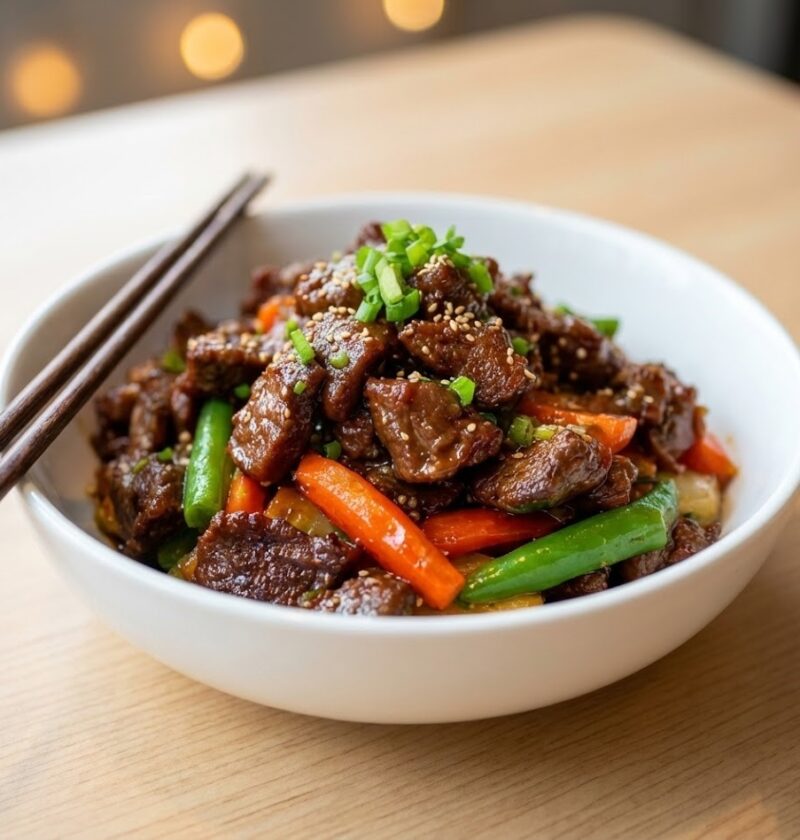
I love quick meals that are both delicious and healthy, and Beef Stir-Fry with Veggies is one of my top favorites. It’s perfect for busy weeknights when I want something flavorful without spending hours in the kitchen.
The combination of tender beef and fresh, colorful vegetables makes this dish visually appealing and satisfying. I usually enjoy it with steamed rice or noodles for a complete and filling meal.
This stir-fry works well for lunch, dinner, or even a hearty snack if I’m craving something savory. I love that it’s versatile, so I can make it mild or a little spicy depending on my mood.
It’s also a quick way to get protein and veggies in one dish. I often make it when I need a nutritious, tasty meal that comes together fast and impresses everyone at the table.
Here’s a quick snapshot of this recipe for easy reference:
| Recipe Info | Details |
|---|---|
| Calories | 350 kcal per serving |
| Protein | 28 g |
| Carbs | 15 g |
| Fat | 18 g |
| Gluten-Free | Yes (if using gluten-free soy sauce) |
| Vegan | No |
| Servings | 2-3 |
| Difficulty | Easy |
| Cuisine | Asian-inspired |
| Spicy Level | Optional, adjustable |
Why You’ll Love this Recipe
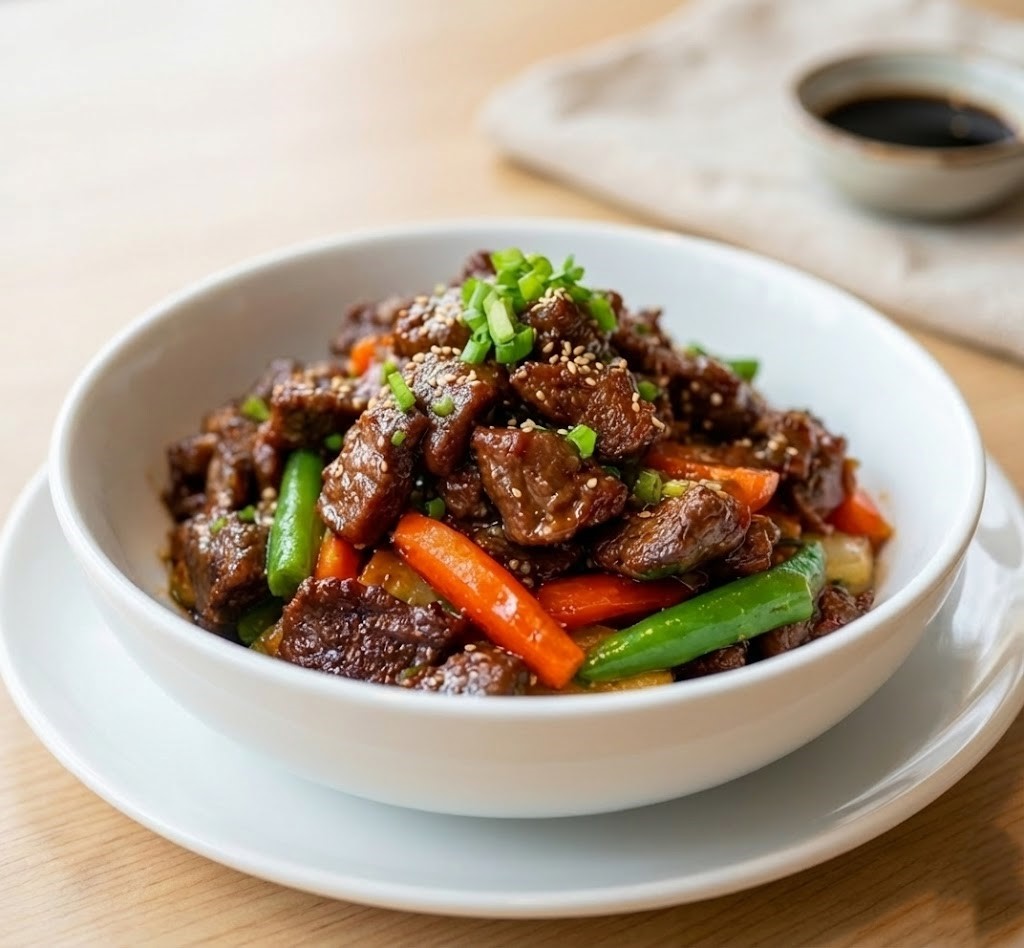
There are many reasons I keep making this Beef Stir-Fry with Veggies. First, it’s incredibly quick to prepare, making it perfect for busy schedules.
It’s also high in protein, which keeps me full and energized. I love the colorful vegetables that make every plate look vibrant and appetizing.
The savory-sweet sauce adds rich flavor to each bite, making it hard to resist. It’s versatile too—you can switch up the vegetables or sauce to suit your taste.
Another reason I love this dish is that it’s healthy and light without sacrificing flavor. It’s guilt-free comfort food that satisfies cravings while keeping it nutritious.
Finally, it’s great for family dinners or casual gatherings because almost everyone enjoys it. Even picky eaters tend to love the combination of tender beef and crisp vegetables.
Ingredients to Make Beef Stir-Fry with Veggies
Before cooking, it’s important to gather all your ingredients. Each ingredient plays a key role in flavor and texture.
Beef (sirloin or flank steak, 300 g)
I prefer sirloin or flank steak because they stay tender when sliced thin. Marinating the beef with soy sauce and a bit of cornstarch enhances its flavor.
Bell Peppers (1 cup, sliced)
Bell peppers add sweetness and crunch to the stir-fry. Using red, yellow, and green peppers makes the dish colorful and visually appealing.
Broccoli Florets (1 cup)
Broccoli provides fiber and vitamins while staying crisp during cooking. I always use fresh florets for the best texture.
Carrots (1 medium, thinly sliced)
Carrots add natural sweetness and subtle crunch. Thin slices ensure they cook quickly and evenly.
Onion (1 medium, sliced)
Onions add a mild pungent flavor that becomes slightly sweet when sautéed. They complement the beef and other vegetables beautifully.
Garlic (2 cloves, minced)
Garlic provides a rich aromatic flavor that blends with the sauce. Finely mincing ensures even distribution.
Ginger (1 tsp, grated)
Ginger gives a zesty and slightly spicy kick to the dish. It enhances the flavor profile of both the beef and vegetables.
Soy Sauce (3 tbsp)
Soy sauce is the main seasoning, giving the stir-fry its savory taste. I prefer low-sodium to control saltiness.
Oyster Sauce (1 tbsp)
Oyster sauce adds richness and a glossy finish to the stir-fry. It enhances both flavor and visual appeal.
Sesame Oil (1 tsp)
Sesame oil provides a nutty aroma when added at the end. I avoid cooking it too long to preserve its fragrance.
Cornstarch (1 tsp)
Cornstarch thickens the sauce, helping it cling to the beef and vegetables. I mix it with water first to prevent lumps.
Salt and Pepper (to taste)
Salt and pepper bring out the natural flavors of all the ingredients. I always adjust seasoning at the end for balance.
Steps to Make Beef Stir-Fry with Veggies
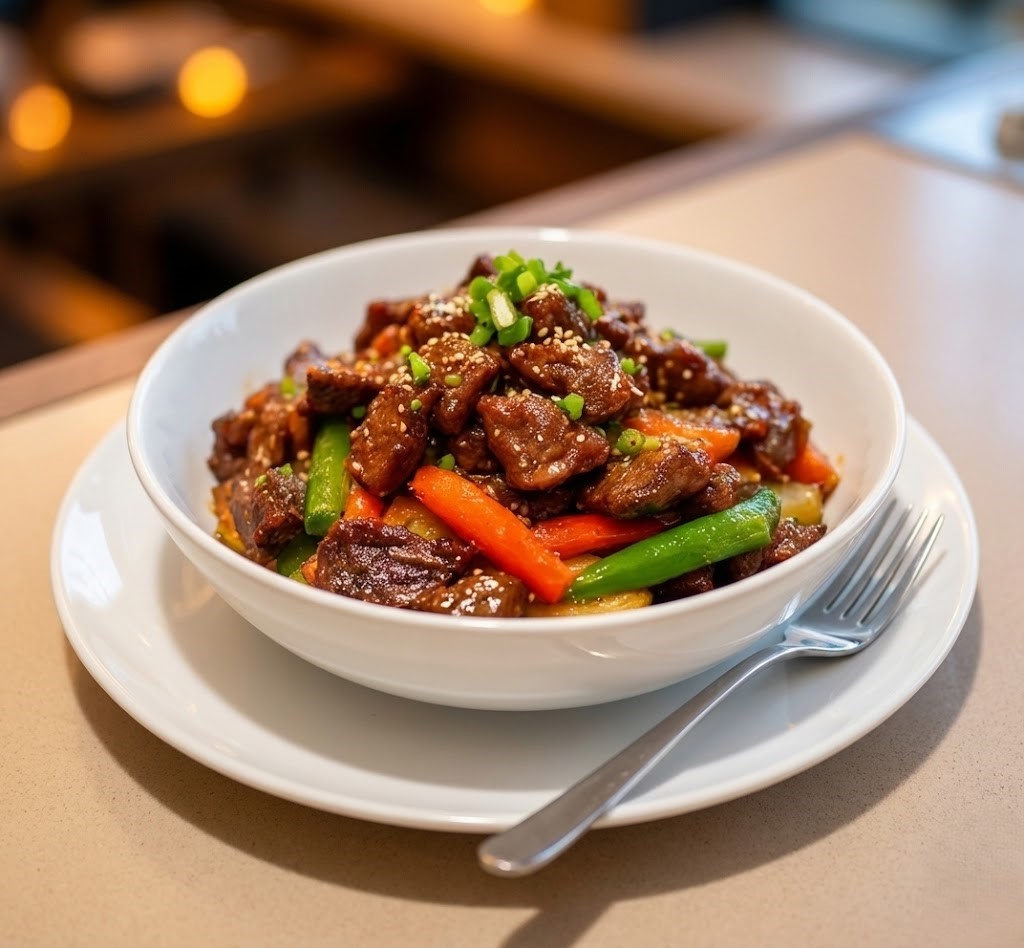
Cooking this stir-fry is straightforward if you follow these steps carefully. Prepping all ingredients before cooking makes the process smooth and easy.
Step 1: Prepare the Beef
Slice the beef thinly against the grain for tenderness. I like to marinate it with soy sauce, cornstarch, and a pinch of pepper for 15 minutes before cooking.
Step 2: Prepare the Vegetables
Wash and slice all vegetables into uniform pieces. Even cutting ensures they cook evenly and look professional.
Step 3: Heat the Pan
Add a tablespoon of oil to a wok or large skillet over medium-high heat. Waiting until the oil is hot ensures a nice sear on the beef.
Step 4: Cook the Beef
Add the beef to the pan and stir-fry for 2-3 minutes until browned but still tender. I remove it from the pan temporarily to prevent overcooking while preparing vegetables.
Step 5: Cook the Vegetables
Add garlic and ginger to the pan and sauté for 30 seconds. Then add onions, carrots, broccoli, and bell peppers, stirring constantly for 3-4 minutes until crisp-tender.
Step 6: Combine Beef and Vegetables
Return the beef to the pan with the vegetables. Add soy sauce, oyster sauce, and sesame oil, stirring to coat everything evenly.
Step 7: Thicken the Sauce
Mix cornstarch with a little water and pour it into the stir-fry. Stir for 1-2 minutes until the sauce thickens and clings to the beef and vegetables.
Step 8: Final Touches
Taste and adjust seasoning with salt and pepper as needed. I usually add a little extra sesame oil at the end for aroma before serving.
Serving Suggestions
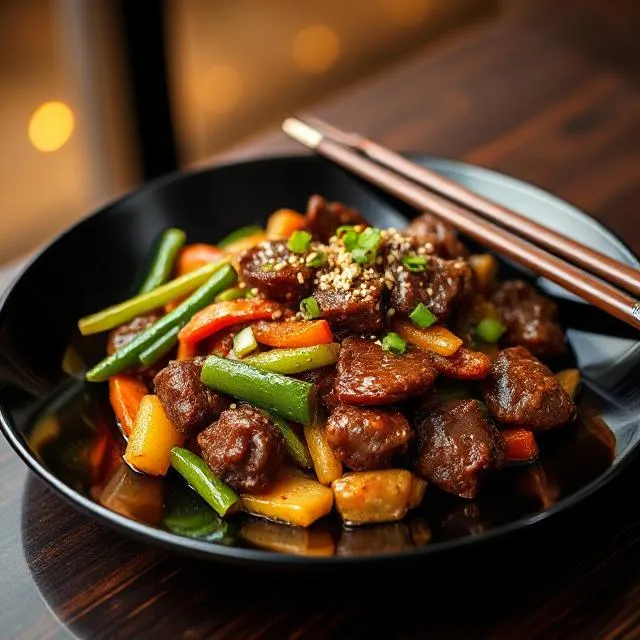
Beef Stir-Fry with Veggies pairs perfectly with steamed jasmine rice or brown rice for a wholesome meal. I often serve it with noodles when I want a quick, satisfying dinner that everyone enjoys.
You can also enjoy it on its own as a low-carb option if you prefer a lighter meal. I like garnishing it with sesame seeds and fresh green onions to add a touch of freshness.
For a more complete plate, I sometimes serve it with a side of miso soup or a light salad. These small additions balance the meal and make it feel restaurant-quality at home.
Adding a drizzle of sriracha or a sprinkle of chili flakes can give it a spicy kick. I usually let everyone adjust the spice level themselves at the table.
You can even wrap it in lettuce leaves for a fun, handheld version. It becomes a delicious low-carb option perfect for lunch or snack time.
Meal Prep Tips: Can we make Beef Stir-Fry with Veggies in advance?
Yes, this stir-fry can be prepared in advance with a few simple steps. I usually cook the beef and vegetables separately and store them in airtight containers to maintain texture.
The sauce should be kept separate if possible, so you can reheat the beef and vegetables without overcooking them. When ready to eat, I combine everything in a skillet and warm it gently over medium heat.
This method keeps the vegetables crisp and the beef tender, preventing a soggy stir-fry. It’s a convenient way to enjoy homemade meals during a busy week.
You can also chop all vegetables in advance and store them in the fridge. This makes cooking faster, as everything is ready to go when you start stir-frying.
If you plan to meal prep for several days, I recommend only storing portions for 2-3 days. Beyond that, the vegetables may start losing their freshness and crispness.
Cooking Tips
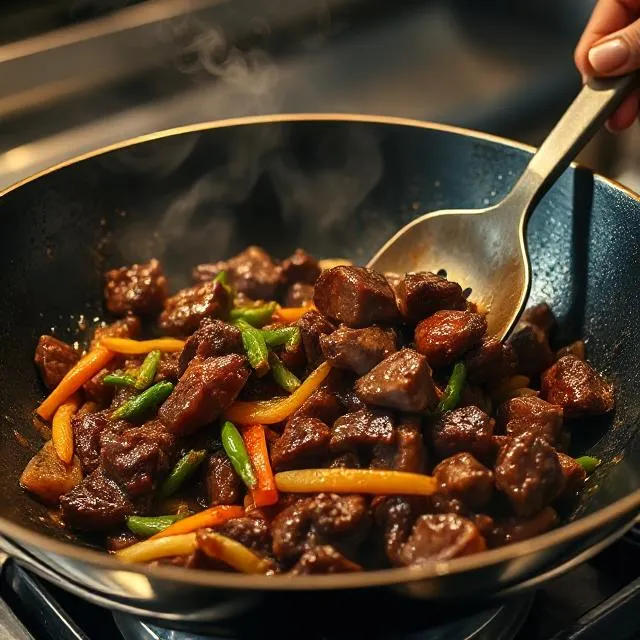
Using a hot wok or skillet is crucial for a good stir-fry. I always make sure the pan is hot enough before adding the beef to get a nice sear.
Cutting the beef thinly ensures it cooks quickly and stays tender. Marinating the beef with cornstarch and soy sauce helps achieve a silky texture.
Stirring constantly while cooking the vegetables prevents burning and ensures even cooking. I like to cook the firmer vegetables first, then add the softer ones later.
Adding the sauce at the right time is important for flavor. Pour it over the beef and vegetables once they’re nearly done to coat everything evenly without overcooking.
Finally, finish with sesame oil or a few drops of lime juice to elevate the flavor. I find these small touches make a huge difference in taste and aroma.
Variations of Beef Stir-Fry with Veggies
There are many ways to customize this stir-fry to suit your taste. I sometimes swap beef for chicken or shrimp for a different protein option.
You can also experiment with different vegetables like snap peas, zucchini, or mushrooms. Each vegetable adds its unique texture and flavor to the dish.
For a spicier version, I add fresh chilies or a teaspoon of chili garlic sauce. I also enjoy a sweet variation by adding a bit of honey or hoisin sauce to the mix.
You can make it gluten-free by using tamari instead of soy sauce. This keeps the flavors authentic while accommodating dietary restrictions.
Another fun variation is adding cashews or peanuts for crunch. I often sprinkle them on top just before serving to maintain their texture.
Storage Instructions
Store leftover Beef Stir-Fry with Veggies in an airtight container in the refrigerator. I usually keep it for up to three days to maintain freshness and flavor.
Make sure the stir-fry has cooled to room temperature before sealing the container. This prevents condensation from making the vegetables soggy.
You can also freeze portions for longer storage, but I recommend separating the sauce and vegetables. Freezing everything together may affect the texture of the vegetables when reheated.
Label the containers with the date to keep track of freshness. I find this simple step helps me stay organized during the week.
Reheating should be done gently to preserve the tenderness of the beef and crispness of the vegetables. I avoid microwaving on high heat for long periods to prevent overcooking.
Can we reheat Beef Stir-Fry with Veggies
Yes, reheating is easy if done properly. I prefer reheating on a stovetop over medium heat for best results.
Add a splash of water or broth if the stir-fry looks dry. This helps loosen the sauce and refresh the dish without losing flavor.
Microwaving works as well, but I usually cover it and heat in short intervals. Stirring in between ensures even heating and prevents some parts from overcooking.
Avoid reheating multiple times, as repeated heat exposure can make the vegetables mushy and the beef tough. I only reheat the portion I plan to eat immediately.
For the freshest taste, sprinkle fresh herbs or a few drops of sesame oil after reheating. This gives the stir-fry a freshly cooked aroma even after storage.
Recipe FAQs
Can I use other cuts of beef?
Yes, flank steak, sirloin, or ribeye can all be used. I recommend slicing thinly against the grain for tenderness.
Is this dish gluten-free?
It can be if you use gluten-free soy sauce or tamari. I always double-check the sauce ingredients to be sure.
Can I make it vegetarian?
Absolutely, substitute tofu, tempeh, or seitan for the beef. I like pressing tofu first to remove excess water before stir-frying.
What vegetables work best?
Broccoli, bell peppers, carrots, and onions are classic choices. I also sometimes add snow peas or mushrooms for variety.
Can I make it spicy?
Yes, adding chili garlic sauce, fresh chilies, or red pepper flakes works perfectly. I usually adjust the spice level to suit everyone’s taste.
How long will leftovers last?
Stored properly in an airtight container, it lasts 2-3 days in the fridge. Freezing is possible, but texture may change slightly.
Do I need to marinate the beef?
Marinating enhances flavor and tenderness but is optional. Even a short 10-15 minute marinade can make a big difference.
What sauce alternatives can I use?
Hoisin, teriyaki, or a homemade stir-fry sauce works well. I sometimes mix soy sauce, ginger, garlic, and a touch of honey for a simple alternative.
Conclusion
Beef Stir-Fry with Veggies is a quick, healthy, and flavorful dish that works for any occasion. I love how easy it is to prepare while still being satisfying and colorful.
It’s packed with protein, vitamins, and fiber, making it a balanced choice for lunch or dinner. I enjoy experimenting with vegetables, spices, and sauces to keep it interesting.
This dish is perfect for busy weeknights, meal prep, or even last-minute guests. With just a few ingredients and simple steps, you can enjoy restaurant-quality stir-fry at home anytime.
By following the tips, variations, and storage instructions, you can make this dish your own. I always find that sharing it with family or friends brings smiles to the table and makes dinner more enjoyable.