
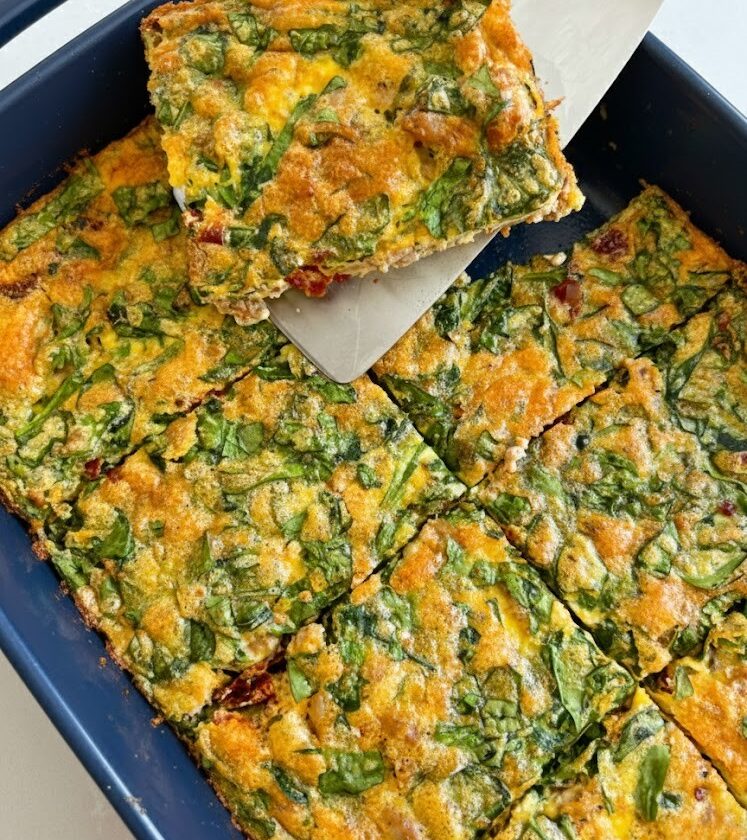
Baked Cottage Cheese Eggs is a warm, comforting dish that feels both simple and nourishing at the same time. I often make this when I want something filling but not heavy, especially on mornings when I need steady energy without cooking a full breakfast spread.
The eggs bake softly in the oven while the cottage cheese melts into them, creating a creamy and fluffy texture. I like how this dish feels wholesome and satisfying, yet light enough to enjoy any time of day.
This recipe works perfectly for breakfast, brunch, or even a quick lunch when you want something homemade. It’s easy to prepare, flexible with ingredients, and great for days when you want real food without extra effort.
Before getting into the details, here’s a quick look at what this recipe offers.
Quick Recipe Information
| Detail | Information |
|---|---|
| Servings | 4 |
| Calories (per serving) | Approx. 220 |
| Protein | High |
| Carbohydrates | Low |
| Fat | Moderate |
| Gluten-Free | Yes |
| Vegetarian | Yes |
| Vegan | No |
| Keto-Friendly | Yes |
| Best For | Breakfast, Brunch, Light Lunch |
Why You’ll Love This Recipe
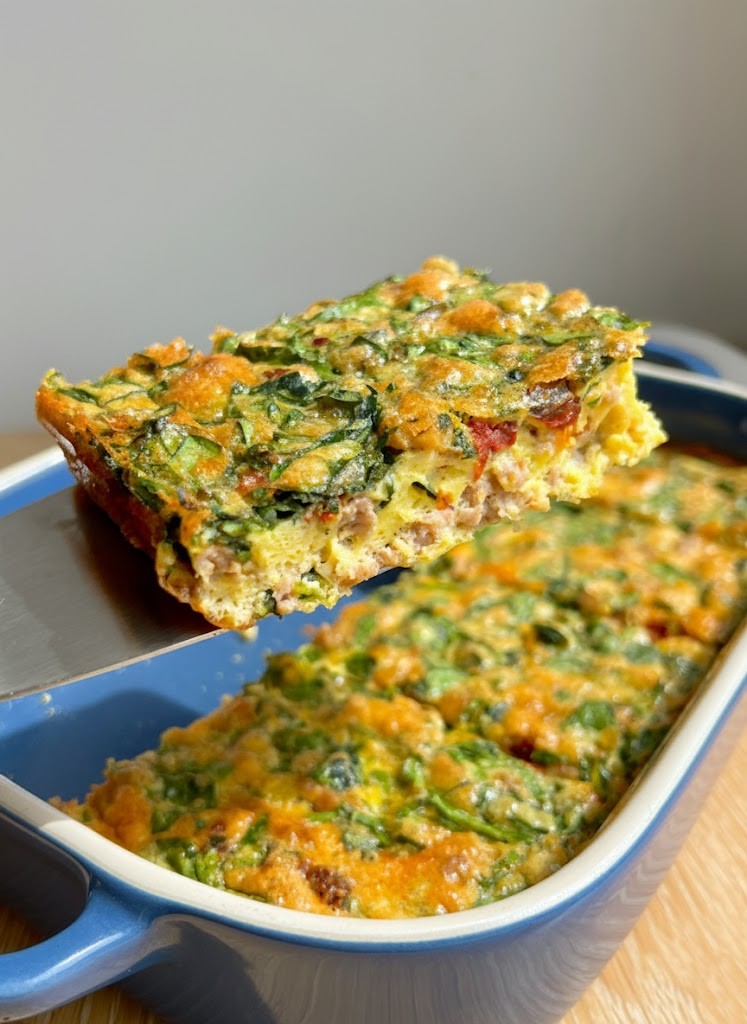
This recipe is easy to make and doesn’t require advanced cooking skills or special equipment. Everything is mixed in one bowl and baked in one dish, making it perfect for busy mornings.
The cottage cheese adds natural creaminess without using heavy cream or butter. It also boosts the protein, helping you stay full and satisfied longer.
The texture is soft, fluffy, and gently set, making every bite comforting. It feels indulgent while still fitting into a healthy eating routine.
This dish is also very versatile and works with many flavor additions. You can adjust it based on what you have or what you’re craving.
Ingredients to Make Baked Cottage Cheese Eggs
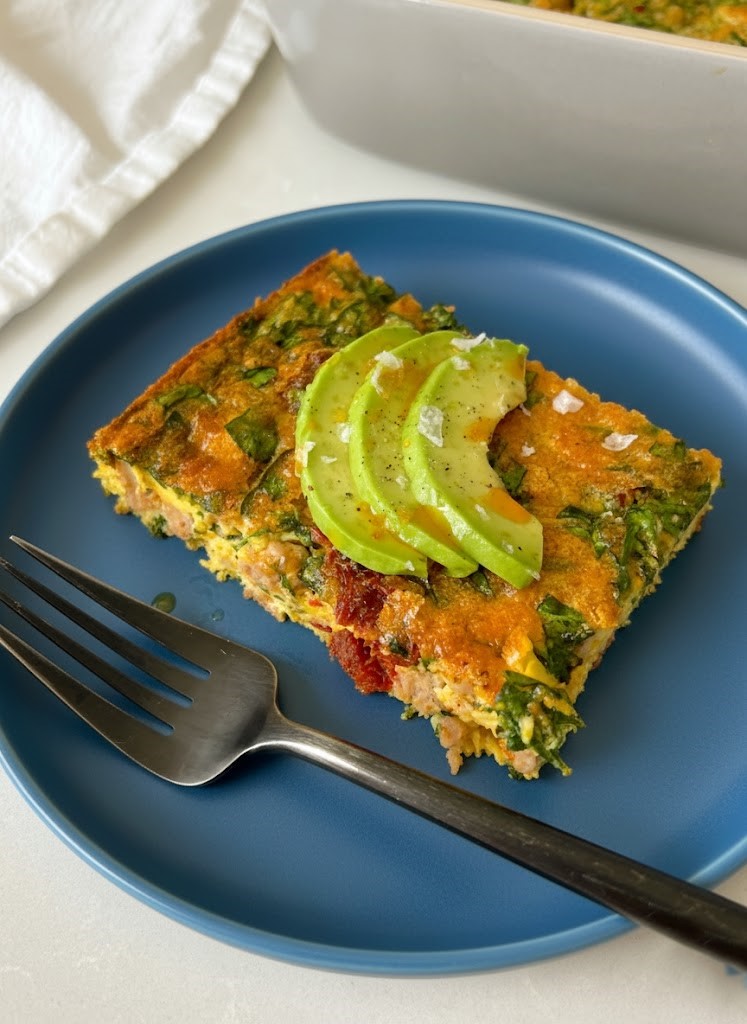
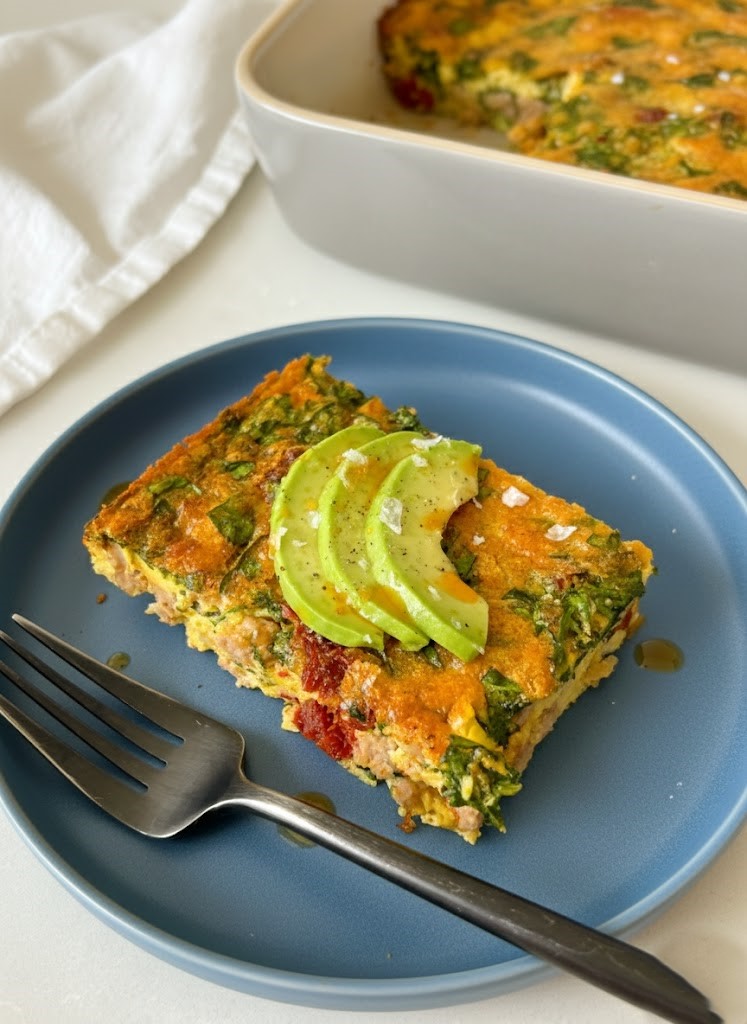
This version of Baked Cottage Cheese Eggs is hearty, flavorful, and full of protein. The combination of eggs, cottage cheese, sausage, and vegetables makes it a perfect breakfast or brunch dish that keeps you full for hours.
Eggs – 10 large
Eggs are the foundation of this dish and give it structure while baking. I usually use large eggs for a richer texture and fluffy result.
Cottage Cheese – 1 cup
Cottage cheese adds creaminess and keeps the eggs tender. I prefer full-fat cottage cheese, but low-fat can also be used if you want a lighter dish.
Kosher Salt – 1 tsp
Salt enhances the natural flavors of the eggs, sausage, and vegetables. It’s essential for a balanced taste.
Black Pepper – ½ tsp
Black pepper gives a subtle warmth and depth without overpowering the other flavors. Freshly ground pepper works best for aroma.
Garlic Powder – ½ tsp
Garlic powder adds a mild savory note and complements the sausage and sun-dried tomatoes. It blends evenly into the mixture for consistent flavor.
Mild Italian Sausage – 1 lb
Choose either pork or chicken sausage, depending on your preference. I like to remove the casing and crumble it, then lightly cook before mixing into the eggs for a rich, savory flavor.
Fresh Spinach – 2 cups packed (roughly 3 oz)
Spinach adds nutrients, color, and a fresh earthy flavor. Chop it finely so it distributes evenly through the egg mixture.
Sun-Dried Tomatoes – ¼ cup chopped
Sun-dried tomatoes give a tangy, slightly sweet burst in every bite. Chop them small so they blend with the eggs without being overpowering.
Optional Vegetables – diced bell peppers, mushrooms, or extra spinach
Adding optional vegetables increases the fiber, nutrients, and texture. Sauté watery vegetables lightly first to remove excess moisture.
Steps to Make Baked Cottage Cheese Eggs

Making this dish involves a few simple steps, but taking your time ensures the eggs stay creamy and flavorful. Each step helps build layers of taste and texture.
Step 1: Preheat the Oven
Preheat your oven to 375°F (190°C). A fully heated oven ensures even cooking from edges to center.
Step 2: Prepare the Baking Dish
Grease a 9×13-inch baking dish with butter or olive oil. This prevents sticking and helps the baked eggs release easily.
Step 3: Cook the Sausage
Remove the casing from the sausage and crumble it into a skillet. Cook over medium heat until browned and fully cooked, then drain excess fat. Set aside to cool slightly.
Step 4: Sauté the Vegetables
In the same skillet, lightly sauté the spinach and any optional vegetables like bell peppers or mushrooms. Cook just until softened, then remove from heat. This removes excess water that could make the eggs soggy.
Step 5: Whisk the Eggs
Crack all 10 eggs into a large mixing bowl. Whisk until yolks and whites are fully combined and slightly frothy.
Step 6: Add Cottage Cheese and Seasoning
Stir in the cottage cheese, kosher salt, black pepper, and garlic powder. Mix gently until fully combined; the mixture should look creamy with small chunks of cottage cheese visible.
Step 7: Combine Sausage, Spinach, and Sun-Dried Tomatoes
Add the cooked sausage, sautéed spinach, and chopped sun-dried tomatoes into the egg mixture. Fold gently so everything is evenly distributed.
Step 8: Pour Mixture into Baking Dish
Transfer the mixture into the prepared dish and spread it evenly. Make sure the surface is smooth to ensure uniform baking.
Step 9: Bake the Eggs
Place the dish in the oven and bake for 25–30 minutes or until the eggs are set but still slightly soft in the center. The edges should be lightly golden.
Step 10: Rest Before Serving
Remove the dish from the oven and let it rest for 5 minutes. This allows the eggs to finish setting and makes it easier to cut into squares for serving.
Serving Suggestions
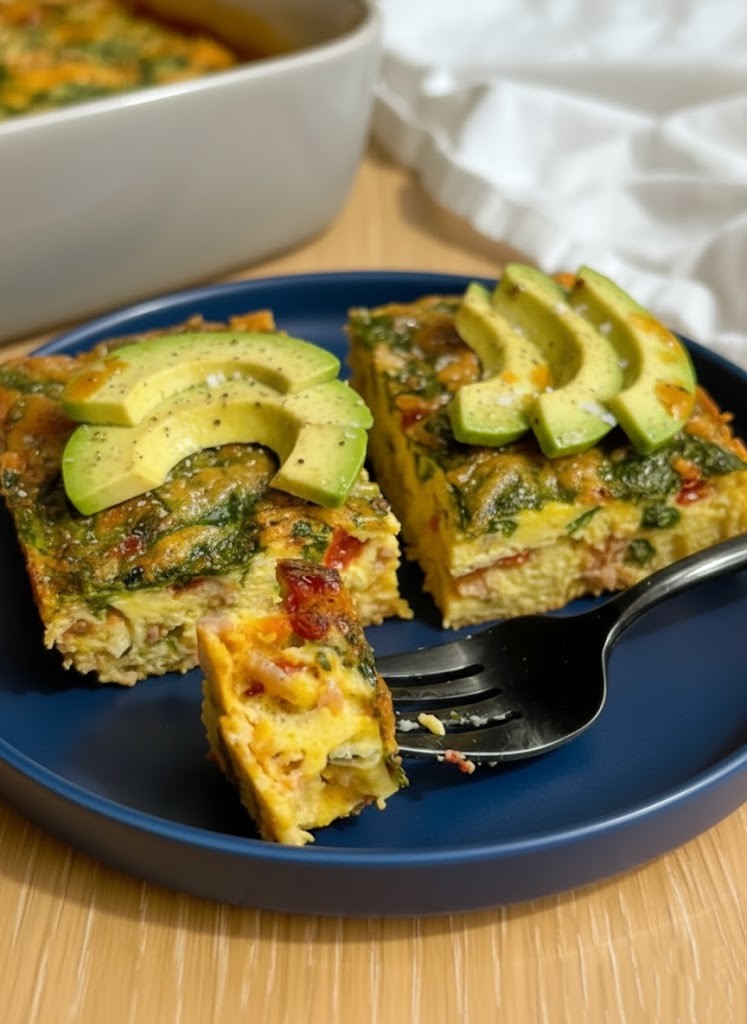
Baked Cottage Cheese Eggs can be served in many simple and satisfying ways, depending on the time of day. I usually enjoy it warm straight from the oven, sliced into squares and served on its own for a clean and filling breakfast.
For a more complete breakfast plate, it pairs really well with toasted whole-grain bread or sourdough. The crispy toast contrasts nicely with the soft and creamy texture of the eggs.
If you prefer something lighter, serving it with fresh fruit works beautifully. Berries, sliced apples, or citrus balance the savory flavors without overpowering the dish.
This dish also works well as part of a brunch spread. You can serve it alongside roasted vegetables, breakfast potatoes, or a simple green salad.
For lunch, I like to pair it with a side salad dressed lightly with olive oil and lemon. It makes the meal feel fresh while still being protein-rich and satisfying.
You can also cut it into smaller squares and serve it as a snack. It’s great for mid-day hunger when you want something homemade and nourishing.
Can We Make Baked Cottage Cheese Eggs in Advance?
Yes, Baked Cottage Cheese Eggs are perfect for making ahead, which is one of the reasons I rely on this recipe so often. The texture holds up well, and the flavor stays consistent even after a few days.
To make it in advance, prepare and bake the recipe as instructed. Let it cool completely at room temperature before storing.
Once cooled, slice it into portions to make reheating easier. This also helps prevent over-handling the eggs later.
Store the portions in an airtight container in the refrigerator. Keeping them sealed properly helps maintain moisture and freshness.
If you want to prep it but bake later, you can mix the ingredients and store the mixture covered in the fridge for up to 24 hours. When ready, pour it into a greased dish and bake as usual.
Meal prepping this dish saves time during busy mornings. It’s especially helpful if you want a protein-rich breakfast ready to go.
Cooking Tips
Using room-temperature eggs helps the mixture blend more smoothly. Cold eggs can sometimes cause uneven texture after baking.
Avoid over-whisking the eggs, as this can make the final bake dense. Gentle mixing keeps the eggs light and fluffy.
If your cottage cheese has a lot of liquid, you can lightly drain it. This helps prevent excess moisture in the baked eggs.
Choose a baking dish that allows the mixture to sit at an even depth. This ensures the eggs cook evenly from edge to center.
Keep an eye on the baking time, especially near the end. Overbaking can make the eggs dry and rubbery.
Letting the dish rest after baking is important. This short rest allows the eggs to firm up while staying tender.
Variations of Baked Cottage Cheese Eggs
This recipe is easy to customize based on your preferences or dietary needs. Small changes can give you a completely new flavor each time.
For a vegetable version, add chopped spinach, bell peppers, or zucchini. Make sure to lightly sauté watery vegetables before adding them.
If you enjoy herbs, try adding fresh dill, basil, or thyme. Herbs bring brightness and aroma to the dish.
You can also add finely chopped onions or green onions for extra flavor. They blend well without overpowering the eggs.
For a spicy version, add red pepper flakes or a pinch of paprika. This gives the dish warmth without making it too intense.
If you want extra richness, mix in a small amount of shredded cheese. Use it sparingly so the cottage cheese remains the star.
Storage Instructions
Proper storage helps maintain both texture and flavor. Always let the baked eggs cool completely before storing.
Place leftovers in an airtight container to prevent them from drying out. Refrigerate promptly to keep them fresh.
Stored properly, Baked Cottage Cheese Eggs can last up to four days in the refrigerator. After that, the texture may begin to change.
If stacking pieces, place parchment paper between layers. This prevents sticking and makes removal easier.
Avoid leaving the dish uncovered in the fridge. Exposure to air can dry out the eggs quickly.
Can We Reheat Baked Cottage Cheese Eggs?
Yes, this dish reheats very well when done correctly. Gentle reheating helps preserve its creamy texture.
The microwave is the quickest option for reheating individual portions. Heat in short intervals to avoid overcooking.
Cover the eggs lightly while reheating to retain moisture. This helps keep them soft and fluffy.
You can also reheat in the oven if warming larger portions. Use a low temperature and cover loosely with foil.
Avoid reheating multiple times, as this can dry out the eggs. Only reheat what you plan to eat.
Recipe FAQs
Can I use low-fat cottage cheese for this recipe?
Yes, low-fat cottage cheese works well and still provides a creamy texture.
Does this recipe taste strongly like cottage cheese?
No, the cottage cheese blends into the eggs and creates a mild, creamy flavor.
Can I freeze Baked Cottage Cheese Eggs?
Freezing is possible, but the texture may change slightly after thawing.
What size baking dish should I use?
A medium-sized dish works best to ensure even baking.
Can I add meat to this recipe?
Yes, cooked and finely chopped meat can be added if desired.
Is this recipe suitable for kids?
Yes, it has a mild flavor and soft texture that kids usually enjoy.
Conclusion
Baked Cottage Cheese Eggs is a simple, nourishing dish that fits easily into everyday life. It’s comforting, versatile, and easy enough to make again and again.
I like how this recipe feels both wholesome and satisfying without being complicated. It’s the kind of meal that quietly becomes a favorite.