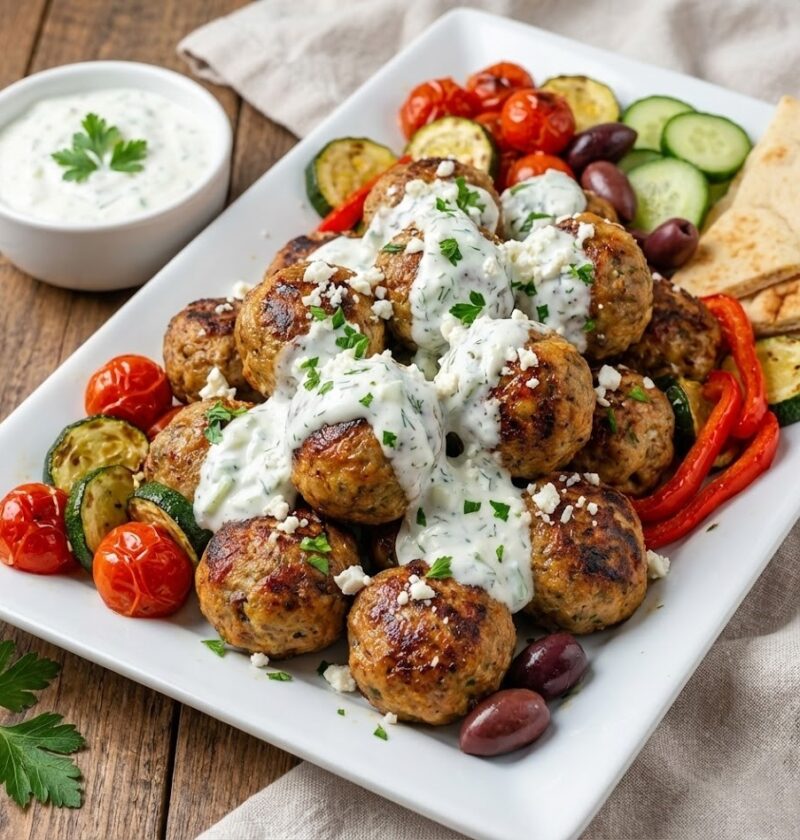
I love a meal that’s not only delicious but also healthy, and these Greek Turkey Meatballs fit perfectly into that category. They are packed with protein, bursting with Mediterranean flavors, and make for an ideal dinner or appetizer. I often serve them for family dinners, casual weeknight meals, or even when I want a quick, low-carb option.
These meatballs are versatile, so you can enjoy them with a side of roasted vegetables, a fresh salad, or even wrapped in pita bread with tzatziki sauce.
What I love most is how simple they are to make, yet they taste like something from a fancy restaurant. Whether you’re meal prepping for the week or hosting friends, these meatballs are always a crowd-pleaser. Their juicy texture and savory flavor make them perfect for any occasion.
Quick Recipe Info
| Category | Details |
|---|---|
| Servings | 4–5 |
| Calories per serving | 280–300 |
| Protein | High (approx. 25g per serving) |
| Carbs | Low (approx. 5g per serving) |
| Gluten-Free | Yes |
| Vegan | No |
| Best For | Mediterranean-inspired dinners, meal prep |
| Cooking Method | Oven-baked or stovetop pan-fried |
| Flavor Profile | Savory, cheesy, and herby |
Why You’ll Love this Recipe
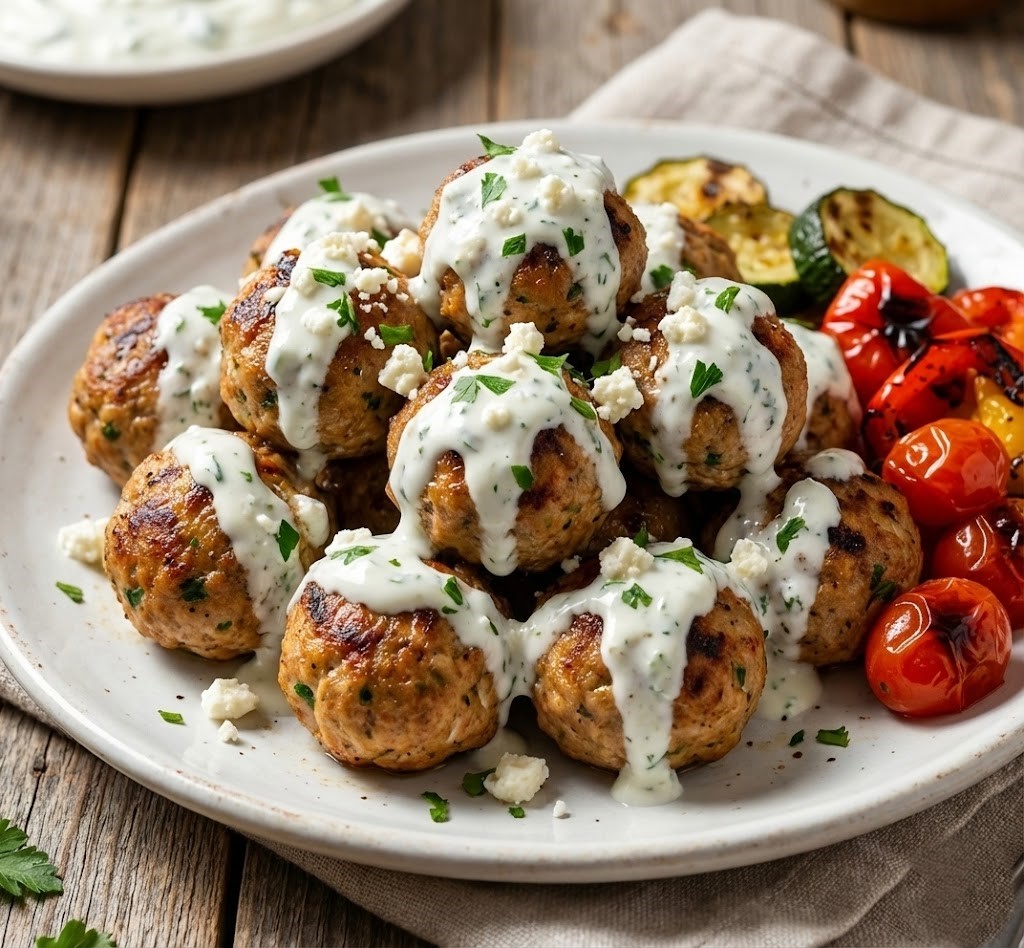
These Greek Turkey Meatballs are lean yet satisfying, making them a guilt-free option for dinner. They are packed with protein, which keeps you full and energized throughout the day.
The Mediterranean flavors from feta, garlic, and oregano give these meatballs a unique and aromatic taste. You’ll love the combination of juicy turkey with the tangy saltiness of feta in every bite.
They are versatile and easy to pair with multiple sides like tzatziki sauce, roasted veggies, or cauliflower rice. This makes them perfect whether you want a simple dinner or a more elaborate Mediterranean feast.
The recipe is beginner-friendly and quick, requiring minimal prep and straightforward steps. Even if you’re new to cooking, you can confidently make these meatballs without stress.
These meatballs are great for meal prep, as they store well in the fridge or freezer. You can make a batch ahead of time and enjoy healthy, protein-rich meals all week.
The low-carb nature of this recipe is perfect if you’re following a keto, paleo, or low-carb diet. It’s satisfying without the excess carbs that can slow you down.
They are family-friendly and kid-approved, as most people enjoy the mild, cheesy, and herby flavors. You can even serve them as party appetizers, and they disappear quickly!
Ingredients to Make Greek Turkey Meatballs

Before we dive into cooking, let’s gather all the ingredients to make these delicious meatballs. Each ingredient not only contributes to the flavor but also adds nutritional value.
Before we start cooking, it’s important to gather all the ingredients for the meatballs and the tzatziki sauce. Each ingredient contributes to the flavor, texture, and nutritional value of the dish.
Ground Turkey – 1 lb
Ground turkey is a lean protein that forms the base of the meatballs. It’s low in fat but stays juicy when cooked properly, giving the meatballs a tender texture.
Feta Cheese – ½ cup, crumbled
Feta adds a creamy, tangy element that’s classic in Greek cuisine. It melts slightly inside the meatballs, creating a rich, flavorful bite.
Almond Flour – ¼ cup
Almond flour acts as a low-carb binder, helping the meatballs hold their shape. It also imparts a subtle nutty flavor that complements the turkey and feta.
Egg – 1 large
The egg binds the meatball mixture together and adds a touch of richness. It ensures the meatballs stay intact during cooking.
Garlic Cloves – 2, minced
Garlic provides a fragrant aroma and a savory depth of flavor. Minced garlic evenly distributes the taste throughout the meatballs.
Dried Oregano – 1 tsp
Oregano gives the meatballs an authentic Mediterranean flavor. It adds a slightly earthy, herby note that enhances the feta and garlic.
Salt and Black Pepper – to taste
Salt and pepper are essential for seasoning. They enhance the other flavors and ensure the meatballs are well-balanced.
Olive Oil – 1–2 tbsp
Olive oil is used for greasing the pan or baking sheet. It helps achieve a golden brown exterior and adds subtle richness to the dish.
Fresh Parsley – 2 tbsp, chopped
Parsley is a fresh herb that provides color and a mild flavor. It’s sprinkled on top before serving to make the dish visually appealing.
For the Tzatziki Sauce
Greek Yogurt – 1 cup, full-fat or low-fat
Greek yogurt forms the base of the tzatziki sauce, giving it a creamy texture and tangy flavor.
Cucumber – ½ cup, grated and drained
Grated cucumber adds a refreshing crunch and mild sweetness. Make sure to squeeze out excess water to keep the sauce thick.
Garlic – 1 clove, minced
Fresh garlic gives the sauce a bold, slightly spicy kick, enhancing the overall flavor.
Lemon Juice – 1 tablespoon, freshly squeezed
Lemon juice adds brightness and acidity, balancing the richness of the yogurt.
Fresh Dill – 1 tablespoon, chopped
Dill is a classic herb in tzatziki sauce, providing a fresh, slightly tangy flavor.
Olive Oil – 1 tablespoon
A drizzle of olive oil enhances creaminess and brings out the flavors in the sauce.
Salt – ½ teaspoon
Salt enhances all the flavors and ensures the sauce is well-balanced.
Now that we have gathered all the ingredients, let’s move on to the step-by-step process of making these Greek Turkey Meatballs and the tzatziki sauce.
Steps to Make Greek Turkey Meatballs
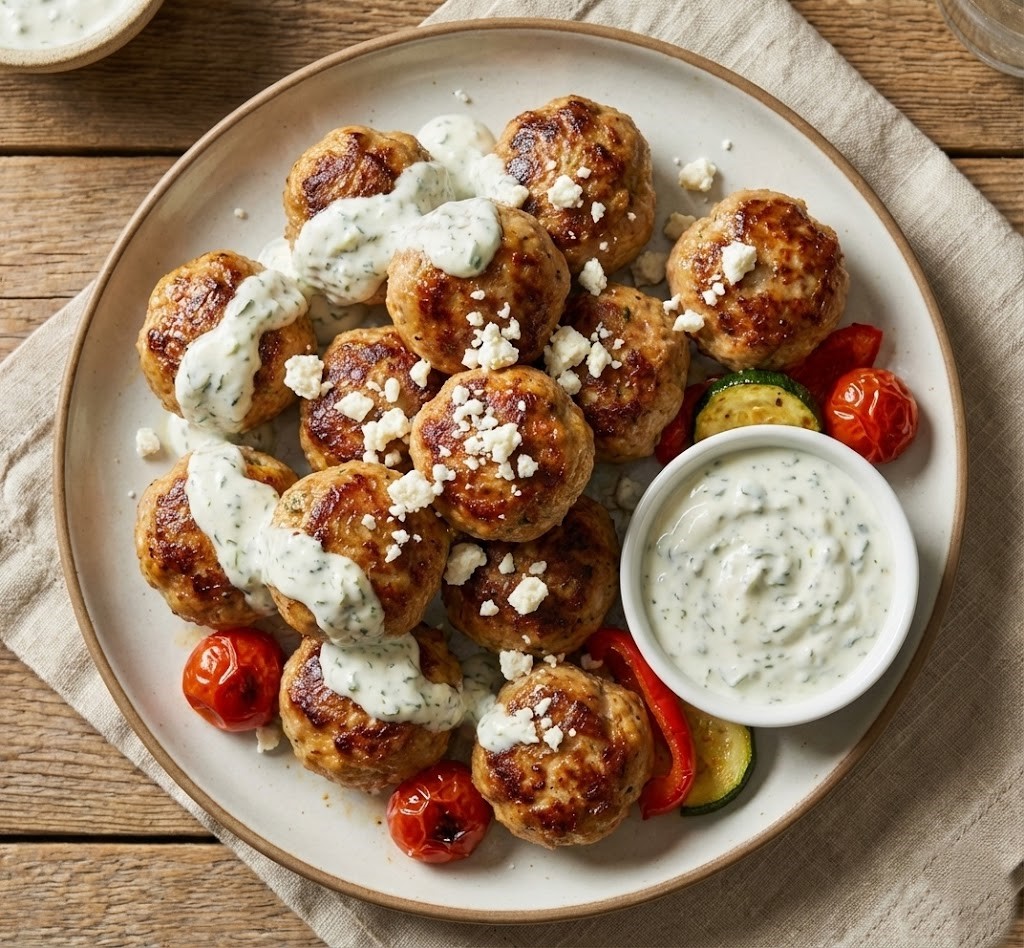
Making these meatballs is simple, and following the steps carefully ensures they turn out juicy and flavorful.
Step 1: Prepare the Meatball Mixture
In a large bowl, combine the ground turkey, crumbled feta, almond flour, egg, minced garlic, oregano, salt, and black pepper. Mix gently using your hands or a spoon until the ingredients are evenly incorporated. Avoid overmixing to keep the meatballs tender.
Step 2: Shape the Meatballs
Shape the mixture into small, even-sized meatballs. Using a cookie scoop or your hands ensures uniform size so they cook evenly.
Step 3: Cook the Meatballs
You have two options for cooking:
Option 1 – Baking: Preheat the oven to 400°F (200°C) and place the meatballs on a greased baking sheet. Bake for 15–18 minutes until golden brown and cooked through.
Option 2 – Pan-Frying: Heat olive oil in a skillet over medium heat. Cook the meatballs for 5–6 minutes per side until golden brown and fully cooked. Turn them gently to maintain their shape.
Step 4: Make the Tzatziki Sauce
While the meatballs are cooking, prepare the tzatziki sauce. In a bowl, combine Greek yogurt, grated and drained cucumber, minced garlic, lemon juice, chopped fresh dill, olive oil, and salt. Stir everything together until smooth and creamy. Taste and adjust seasoning if needed. Chill in the refrigerator until ready to serve.
Step 5: Garnish the Meatballs
Once the meatballs are cooked, transfer them to a serving plate. Sprinkle freshly chopped parsley on top for a pop of color and freshness.
Serving Suggestions

Greek Turkey Meatballs are incredibly versatile and can be served in several ways to suit your meal style. I often serve them with creamy tzatziki sauce, which adds a refreshing tang to balance the savory meatballs.
You can also enjoy them alongside roasted or sautéed vegetables such as zucchini, bell peppers, or asparagus. The roasted veggies not only add color to your plate but also complement the Mediterranean flavors beautifully.
For a low-carb option, serve the meatballs over cauliflower rice or zucchini noodles. This makes a filling and nutritious dinner that is perfect for anyone watching their carb intake.
Another favorite way to enjoy these meatballs is wrapped in warm pita bread with lettuce, tomatoes, and cucumbers. It turns the dish into a quick and satisfying handheld meal, perfect for lunches or casual dinners.
If you want to make it a full Mediterranean feast, serve these meatballs with a Greek salad and a drizzle of olive oil. The combination of textures and flavors makes the meal balanced, healthy, and visually appealing.
For parties or gatherings, serve the meatballs as appetizers with toothpicks and a side of tzatziki or hummus. They are always a hit and disappear quickly because of their rich flavor and juicy texture.
Meal Prep Tips: Can We Make Greek Turkey Meatballs in Advance?
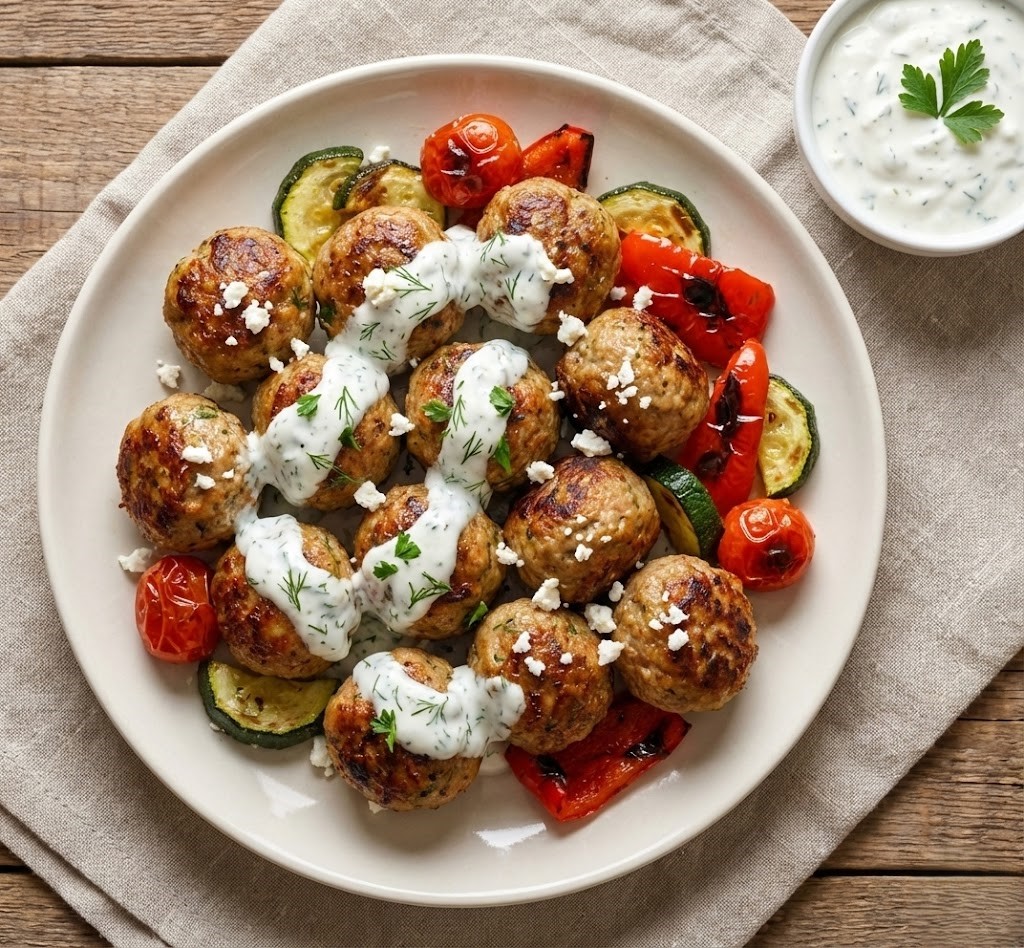
Yes, Greek Turkey Meatballs are excellent for meal prep, and making them in advance saves time during busy weekdays. I usually prepare the meatballs, cook them, and then store them in airtight containers in the fridge.
They stay fresh in the refrigerator for up to 4 days, making it easy to grab a protein-packed meal quickly. Simply reheat them in the oven or microwave, and they taste almost as fresh as when they were first cooked.
For longer storage, you can freeze the meatballs either cooked or uncooked. I prefer freezing them cooked because it makes reheating faster, but freezing uncooked meatballs is also convenient for planning ahead.
When freezing, place the meatballs on a parchment-lined tray so they don’t stick together. Once frozen, transfer them to a freezer-safe bag or container for up to 3 months.
To reheat frozen meatballs, bake them in the oven at 350°F (175°C) for 10–15 minutes until warmed through. You can also reheat them in a skillet over medium heat for a few minutes on each side if you want a slightly crispy exterior.
Meal prepping in advance allows you to portion out the meatballs for lunches, dinners, or even snacks. I like to pair prepped meatballs with roasted vegetables or quinoa for a complete, balanced meal.
Another tip for meal prep is to prepare the sauce in advance as well. Tzatziki, marinara, or even a simple yogurt-garlic sauce can be made ahead and stored in the fridge. This makes assembling the meal even quicker and stress-free.
Cooking Tips
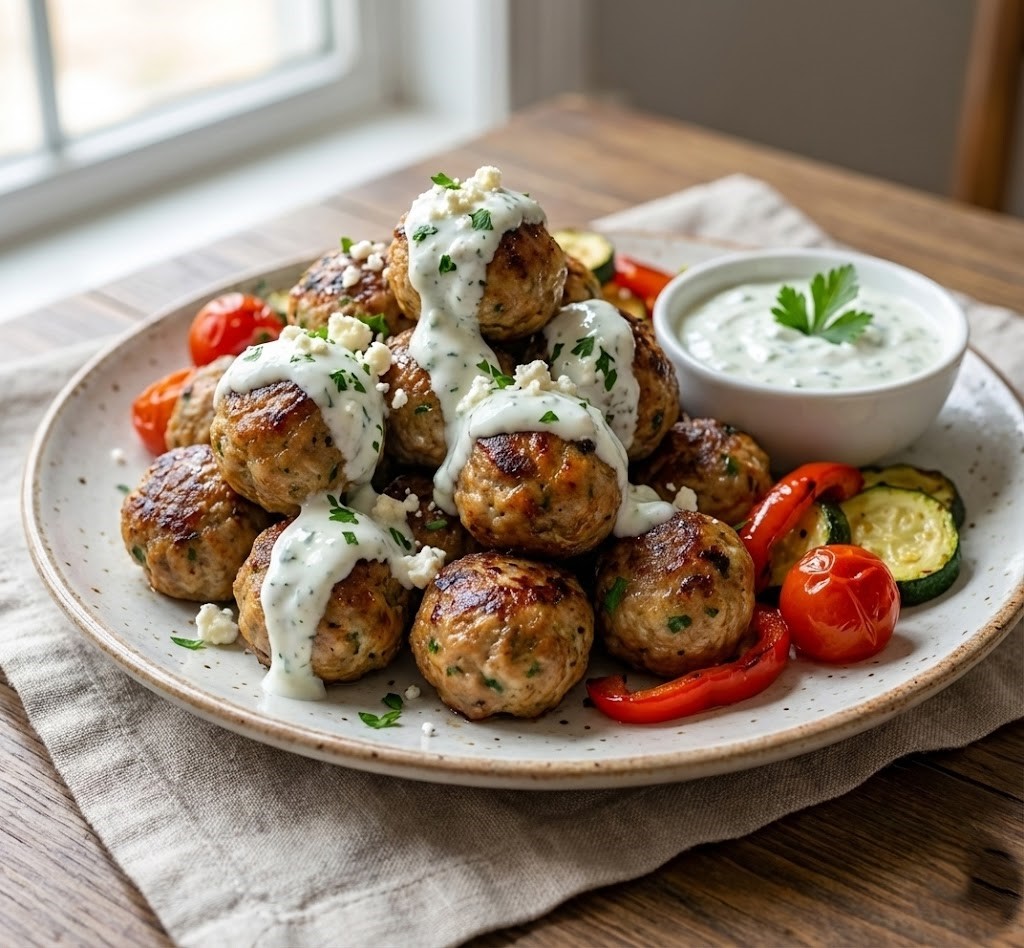
To make perfectly juicy meatballs, don’t overmix the turkey and feta mixture. Overmixing can make the meatballs dense and tough, so gently combine the ingredients just until they hold together.
Make sure the meatballs are evenly sized so they cook uniformly. I use a small cookie scoop to get consistent sizes, which also helps with portion control.
If baking, line your tray with parchment paper or lightly grease it with olive oil. This prevents sticking and ensures the meatballs get a nice golden crust.
For pan-frying, heat the skillet and oil before adding the meatballs to get a crisp exterior. Turn them gently to prevent breaking and maintain their shape.
Check doneness using a meat thermometer if unsure. The internal temperature should reach 165°F (74°C) to ensure the turkey is fully cooked.
You can also brush a little olive oil on the meatballs before baking to enhance browning and flavor. This simple step makes a noticeable difference in texture and appearance.
Adding fresh herbs like parsley at the end brings a fresh aroma and flavor. I recommend adding herbs after cooking so they retain their color and freshness.
Variations of Greek Turkey Meatballs
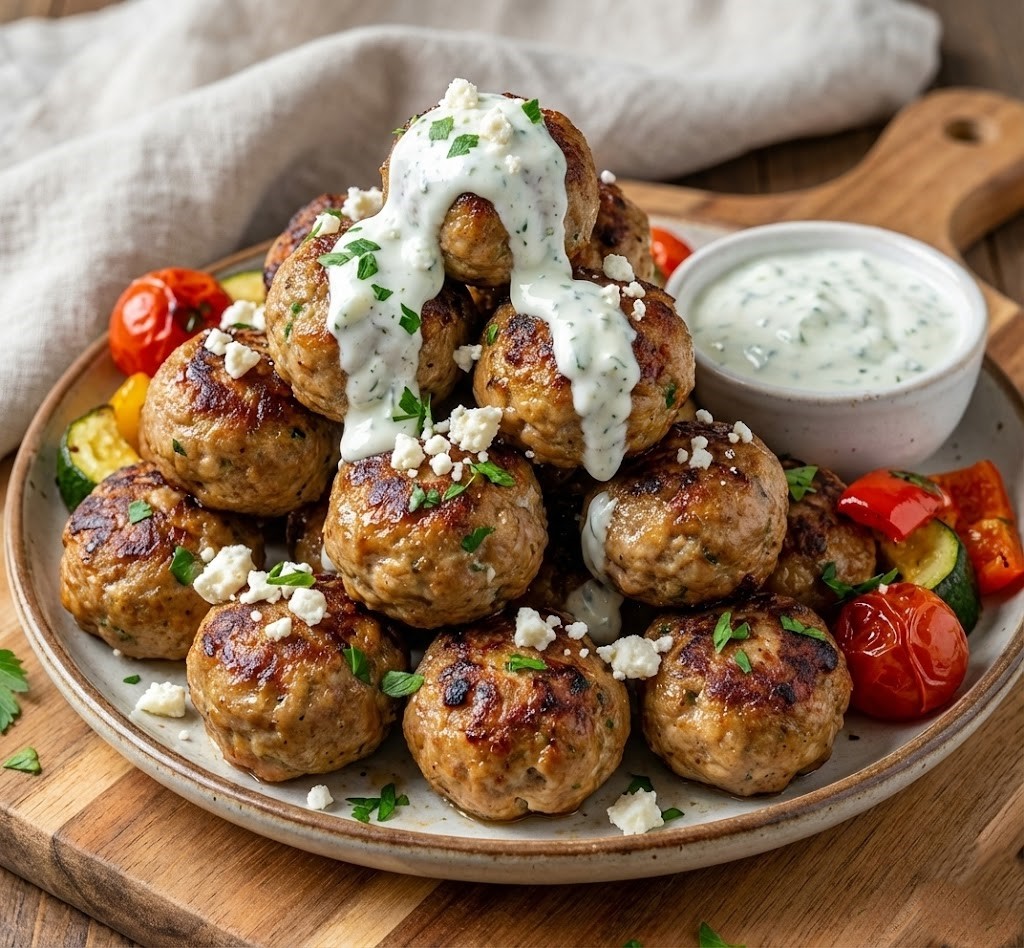
You can tweak the recipe to suit different flavor profiles or dietary preferences. One simple variation is to swap almond flour with breadcrumbs if you prefer a more traditional texture.
For a spicier version, add crushed red pepper flakes or a pinch of cayenne to the meat mixture. This adds warmth without overpowering the other Mediterranean flavors.
You can also incorporate finely chopped spinach or zucchini into the meatballs for extra vegetables. This boosts the nutritional content while keeping the meatballs moist.
For a cheesier twist, mix in a little mozzarella with the feta. It melts beautifully and creates a gooey texture inside the meatballs.
If you want a lighter option, skip the feta entirely and add extra herbs like dill and oregano. This keeps the flavor vibrant while reducing the richness of the dish.
These meatballs can also be cooked in a flavorful tomato sauce. Simmering them in sauce adds moisture, extra flavor, and makes them perfect for serving over pasta or cauliflower rice.
For a keto-friendly sauce, try a creamy garlic or yogurt-based sauce instead of tomato sauce. It complements the flavors of the meatballs and keeps the dish low-carb.
Storage Instructions
Proper storage ensures your Greek Turkey Meatballs stay fresh and flavorful. After cooking, let the meatballs cool completely before storing them in airtight containers.
They can be stored in the refrigerator for up to 4 days. Always make sure the container is sealed tightly to prevent moisture loss and maintain freshness.
For longer storage, freezing is an excellent option. Place the cooled meatballs on a baking tray in a single layer, freeze them, and then transfer to a freezer-safe bag for up to 3 months.
Label the container with the date to keep track of storage time. This helps ensure you use them while they’re at their best quality.
When storing with sauce, keep the meatballs and sauce separate if possible. This prevents the meatballs from becoming too soggy and allows you to reheat both components properly.
If you want to store uncooked meatballs, place them on a tray and freeze individually. Once frozen, transfer them to a container or bag for easy portioning later.
Refrigerating or freezing the meatballs in portions makes meal prep easier and prevents overcooking when reheating only what you need.
Can We Reheat Greek Turkey Meatballs
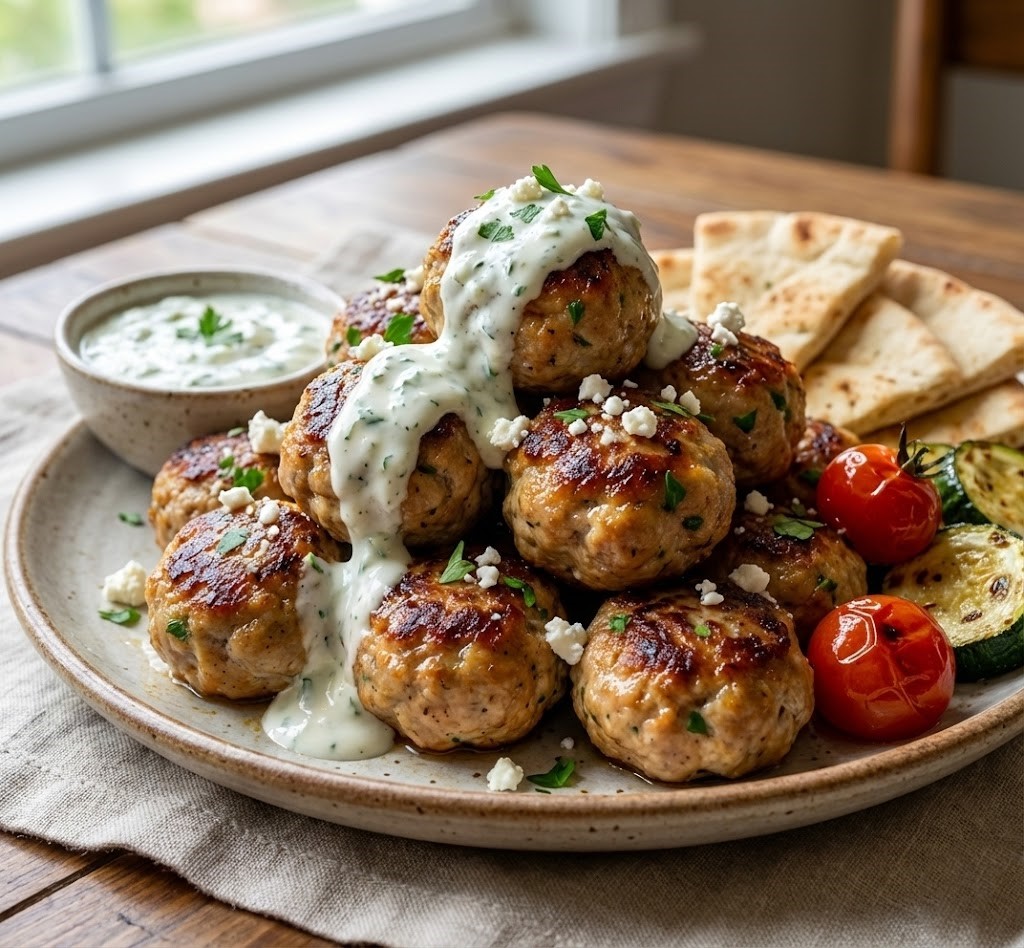
Yes, Greek Turkey Meatballs reheat well and maintain their flavor and texture. The best method is to bake them in the oven at 350°F (175°C) for 10–15 minutes until warmed through.
For a quicker option, use a microwave on medium power for 1–2 minutes. Make sure to cover them to retain moisture and prevent drying out.
Pan-frying is another excellent option for reheating. Heat a little olive oil in a skillet and cook the meatballs for a few minutes on each side until they are hot and slightly crispy.
When reheating frozen meatballs, bake them directly from frozen for 15–20 minutes. Ensure they reach an internal temperature of 165°F (74°C) for safe consumption.
To keep them moist while reheating, you can cover them with foil or add a tablespoon of water to the container if microwaving. This prevents drying and helps retain juiciness.
Serving reheated meatballs with fresh herbs, sauce, or a drizzle of olive oil enhances flavor and presentation. Even after reheating, they taste almost as good as freshly made.
Recipe FAQs
Can I make these meatballs with chicken instead of turkey?
Yes, ground chicken works well as a substitute and has a similar texture. Adjust cooking times slightly if needed, as chicken may cook faster than turkey.
Are Greek Turkey Meatballs gluten-free?
Yes, using almond flour instead of breadcrumbs keeps them gluten-free. They are perfect for low-carb and gluten-sensitive diets.
Can I make these meatballs vegan?
Unfortunately, this recipe isn’t vegan due to turkey and feta cheese. You could try using a plant-based protein and vegan cheese alternative to create a vegan version.
Can I freeze these meatballs after cooking?
Yes, they freeze beautifully and can last up to 3 months in the freezer. Freeze individually first, then store in a freezer-safe bag.
What sides go well with Greek Turkey Meatballs?
They pair well with tzatziki, roasted vegetables, Greek salad, cauliflower rice, or in pita wraps. This makes them a versatile dish for lunch or dinner.
How do I keep meatballs juicy?
Avoid overmixing and overcooking. Using feta and egg helps retain moisture and flavor.
Can I cook these in a slow cooker?
Yes, you can simmer them in sauce in a slow cooker. This method makes them very tender but may reduce the crispy exterior.
How many meatballs does this recipe make?
This recipe yields around 16–20 small meatballs, depending on size. Adjust ingredient quantities if you need more servings.
Is almond flour necessary?
Almond flour helps bind the meatballs and keeps them low-carb. You can use breadcrumbs if you don’t mind extra carbs.
Can I add herbs like dill or mint?
Absolutely, fresh herbs enhance flavor and add a fragrant touch. Dill, mint, or extra parsley works beautifully with the Greek flavor profile.
Conclusion
Greek Turkey Meatballs are a versatile, flavorful, and high-protein dish perfect for family dinners or meal prep. The combination of lean turkey, tangy feta, and aromatic herbs creates a juicy, satisfying bite every time.
They are easy to make, store well, and reheat beautifully, making them an excellent option for busy weekdays. The Mediterranean flavors make them feel gourmet, yet they are simple enough for everyday meals.